Bungah Font: A Playful Script for Editorial Creativity
When it comes to editorial design, the right typeface can make all the difference. It shapes how readers perceive your content, influences their emotional response, and helps maintain a cohesive visual identity across your publications. Enter Bungah, a unique script font that brings a sense of playfulness and charm to any layout. Designed with a childish theme, Bungah is more than just a decorative script—it’s a creative tool that adds a fun touch while staying true to the principles of modern typography.
Visual Characteristics and Style of Bungah
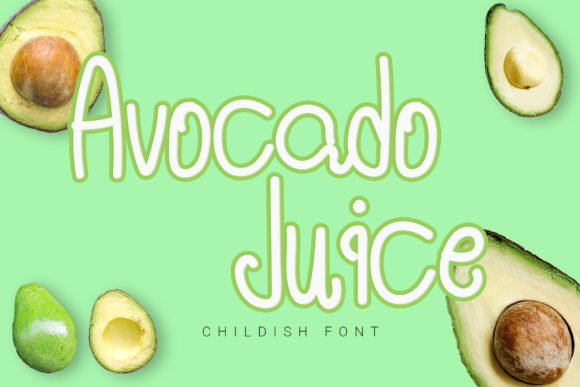
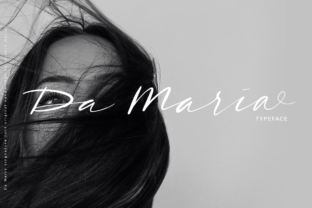
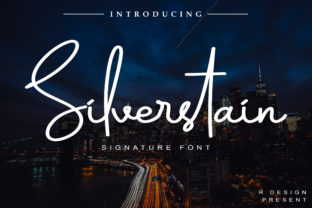
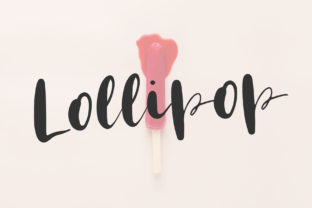
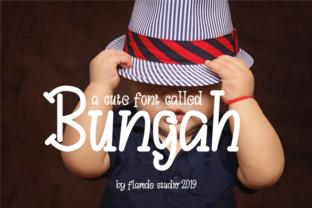
Bungah stands out with its organic, flowing strokes and whimsical personality. Its handwritten nature gives it warmth and approachability, making it ideal for projects where you want to evoke creativity, joy, or nostalgia. The playful curves and subtle irregularities in the letterforms mimic natural handwriting, adding a personal and inviting feel to your designs. While it may not be suited for dense body text, it excels in display settings such as headings, titles, and accent typography.
This script font has a soft, friendly tone that works well with lifestyle, children's, and entertainment-focused content. Its visual appeal makes it a go-to choice for editorial designers looking to infuse personality into their layouts without overwhelming the reader.
Using Bungah in Editorial Design
In editorial contexts, Bungah can serve multiple roles depending on the project. Here are some practical applications:
- Blog Headers: Use Bungah for blog post titles or section headers to create a lively visual hierarchy. It draws attention naturally, especially when paired with clean sans serif fonts for body copy.
- Magazine Covers: For themed issues like summer reads, kids' magazines, or hobby guides, Bungah offers a fresh take on cover typography. Its character-rich style allows for expressive titles that stand out from the crowd.
- Ebook Titles: Whether you're designing a children's storybook or a lighthearted self-help guide, Bungah can help establish a warm and engaging tone right from the start.
- Newsletter Graphics: Incorporate Bungah into quote graphics, feature banners, or themed announcements within newsletters to add a creative spark.
- Quote Layouts: Because of its legible yet expressive nature, Bungah is excellent for pull quotes, featured sayings, or motivational phrases in articles and magazines.
- Chapter Openers: In print or digital publications, using Bungah for chapter openers can provide a whimsical transition between sections, enhancing the reading experience.
- Printable Guides and Lead Magnets: From worksheets to planners, Bungah can give your downloadable assets a memorable look, encouraging user engagement and brand recall.
- Publication Branding: Consider using Bungah in logo design, mastheads, or signature elements to build a consistent and recognizable brand identity.
Supporting Visual Hierarchy and Reader Attention
One of the key strengths of Bungah is its ability to command attention. As a display font, it works best in headlines, subheadings, and other high-impact areas of your layout. By using Bungah sparingly but effectively, you can guide the reader’s eye through the page and highlight important content such as section titles, callouts, or featured stories.
Its informal and cheerful aesthetic also helps set the mood—perfect for lighter-toned publications like travel blogs, wellness guides, or DIY tutorials. When used correctly, Bungah contributes to a strong visual hierarchy by creating contrast with more structured body fonts, ensuring readability while maintaining visual interest.
Practical Examples of Bungah in Action
Here are a few real-world scenarios where Bungah shines:
- Lifestyle Blog: A food or fashion blog might use Bungah for recipe names or outfit titles, giving the site a more personal and curated feel.
- Recipe Ebook: Feature each recipe title in Bungah to add a sense of fun and spontaneity, especially if the cookbook has a casual or family-friendly vibe.
- Wedding Guide: Use Bungah for romantic pull quotes or in themed spreads about love, vows, or personalized touches, helping the publication feel more intimate and heartfelt.
- Coaching Workbook: Apply Bungah to section headers or prompts in a client-facing guide to make the material feel more conversational and less formal.
- Digital Magazine: Pair Bungah with a minimalist sans serif font in a health or lifestyle magazine to balance creativity with clarity in article titles and cover features.
- Printable Planner: Add Bungah to weekly highlights or motivational messages in a planner template to encourage daily inspiration and interaction.
- Creator Newsletter: Use Bungah in themed promotional sections or for highlighting key takeaways to keep the layout visually dynamic and engaging.
Readability and Technical Considerations
While Bungah is a script font, its structure and spacing have been carefully crafted to ensure it remains legible even in smaller sizes or on screen. However, due to its ornamental nature, it’s best reserved for short bursts of text rather than long paragraphs. Always consider the context—Bungah may work beautifully for a cover but could lose impact if overused in body text or navigation menus.
For digital formats like blogs or newsletters, test how Bungah appears on different devices. On mobile screens, ensure that the characters remain clear and do not become too cluttered. When exporting to PDF or preparing for print, confirm that the font renders cleanly at the intended size and resolution.
Font Pairing and Editorial Balance
To maintain editorial balance, pair Bungah with more neutral and highly readable fonts. For body text, choose a classic serif or a modern sans serif font that complements its playful energy without clashing. Some popular combinations include pairing Bungah with fonts like Lora, Merriweather, or Montserrat to create a harmonious contrast between display and body typography.
For captions, footnotes, or sidebars, a simple sans serif ensures legibility while allowing Bungah to shine in the main headline areas. This kind of thoughtful font pairing supports both aesthetics and function, keeping your publication visually appealing and easy to navigate.
Exploring Included Styles and Features
Fonts from Script Amp often come with a variety of styles and features, and Bungah is no exception. Check whether it includes alternate characters, ligatures, or different weights that can enhance your typographic options. These variations allow for subtle tweaks in tone and emphasis, which are particularly useful in branding or when designing custom illustrations and graphics.
If multilingual support is essential for your publication, confirm that Bungah includes the necessary glyphs for your target languages. This ensures inclusivity and professionalism across international editions or diverse audiences.
Commercial Licensing and Usage
Before using Bungah in your commercial projects, always review the licensing agreement provided by the font foundry. If you’re publishing an ebook, selling templates, or distributing printable materials, ensure the license covers those uses. Many premium fonts offer extended licenses for web use, app integration, or client-side design work, so verify what applies to your specific needs.
Proper licensing isn’t just about compliance—it’s about supporting the creators behind the fonts we love and ensuring our own content stays professional and legally sound. Whether you're working on a paid newsletter, a digital course, or a branded magazine, understanding the terms will help you avoid headaches down the line.
Building Publication Identity with Bungah
A consistent brand identity is crucial for any publication, and typography plays a central role in this. Bungah can become a signature element of your editorial voice, especially if your brand leans toward creativity, community, or accessibility. Think of it as part of your design assets—a tool that reinforces your message and connects with your audience on a visual level.
By incorporating Bungah into recurring elements like issue titles, social media posts, or packaging design, you can create a unified look that readers recognize and trust. This kind of consistency is key to building loyalty and standing out in crowded digital spaces.
Why Choose Bungah Over Other Script Fonts?
Many script fonts fall into the trap of being either too formal or too difficult to read. Bungah strikes a balance between these extremes. Its childish theme doesn't mean it lacks sophistication—rather, it offers a fresh alternative to the more traditional script typefaces commonly seen in editorial work. It feels authentic and expressive, which is increasingly valuable in content-driven industries like blogging, publishing, and digital marketing.
Compared to overly stylized or rigid scripts, Bungah’s natural flow makes it more versatile for a range of applications—from whimsical lead magnets to elegant wedding invitations. It adapts well to both digital and print environments, proving that a script font can be both functional and fun.
Final Thoughts
Bungah is more than just a pretty font—it’s a strategic choice for editorial designers who want to inject warmth and creativity into their layouts. Whether you're crafting a blog header, designing a magazine cover, or building brand identity for a new publication, Bungah offers a distinctive yet accessible style that enhances visual storytelling.
As you explore the possibilities of this script font, remember to prioritize readability and purpose. Use it where it adds value, not just where it looks nice. With the right application and pairing, Bungah can elevate your content and connect with readers in meaningful ways.